
Leading Hospitals Through Change: The Leadership Strategies That Will Define the Future of Healthcare

A comprehensive guide to healthcare leadership, hospital transformation, operational excellence, patient-centred innovation, and building resilient healthcare institutions.

Hospitals are among the most complex organisations to lead. Every decision affects more than budgets, performance reports, or operational targets. It can influence patient safety, clinical outcomes, staff wellbeing, public confidence, and the quality of care delivered to entire communities. That responsibility makes hospital leadership fundamentally different from leadership in most other industries. Healthcare is changing rapidly. Digital transformation, artificial intelligence, rising patient expectations, workforce shortages, financial pressures, evolving regulations, and increasing demands for accessible healthcare are forcing hospitals to reconsider how they operate. Traditional management approaches are no longer sufficient to address these challenges. Hospitals need leaders who can recognise change early, make informed decisions, bring people together, and turn strategic priorities into measurable improvements. Leading hospitals through change is not simply about introducing new technology or restructuring departments. It is about preparing an entire institution to operate differently while protecting the values that matter most: patient safety, clinical excellence, compassion, accountability, and trust. The hospitals that succeed in the coming years will not necessarily be the largest or those with the biggest budgets. They will be the institutions whose leadership teams understand how to manage uncertainty, develop capable people, embrace responsible innovation, and continuously improve the patient experience.

Understanding why hospital leadership must evolve

For decades, hospital management largely focused on maintaining operations, managing resources, supervising departments, and ensuring compliance with healthcare standards. These responsibilities remain essential, but the environment surrounding healthcare institutions has become considerably more demanding. Patients are better informed and increasingly expect convenient access, transparent communication, shorter waiting times, and personalised treatment. Healthcare professionals face heavier workloads and greater administrative demands. Meanwhile, hospital administrators must balance rising operational costs with the need to invest in infrastructure, technology, and workforce development. These pressures rarely occur independently. A shortage of nurses, for example, can increase waiting times, affect staff morale, reduce operational efficiency, and create additional pressure on existing clinical teams. A leadership decision addressing only one part of the problem may fail to deliver meaningful improvement across the institution. This is why modern hospital leadership requires a broader perspective. Leaders must understand the relationship between clinical operations, financial sustainability, human resources, technology, patient experience, and organisational culture.

The role of leadership in successful hospital transformation

Hospital transformation begins with leadership, but it cannot succeed through authority alone. Senior executives may establish a vision, allocate resources, and approve strategic priorities, yet meaningful transformation depends on the participation of people throughout the organisation. Doctors, nurses, administrators, technicians, department heads, support teams, and other healthcare professionals all experience hospital operations differently. Their perspectives provide valuable insight into problems that may not appear in executive reports. Consider a hospital introducing a new digital patient management system. From the management perspective, the project may appear straightforward: select a platform, approve the investment, train employees, and launch the system. However, the clinical team may be concerned about additional documentation, the nursing department may need changes to its existing workflow, and administrative employees may require more practical training. Patients may also struggle if the new system is not designed around accessibility.

Building a patient-centred culture during organisational change

Technology, infrastructure, and operational efficiency are important measures of hospital development. However, they should never become more important than the patient. A hospital can introduce advanced medical equipment, modernise its facilities, and improve its administrative systems while still delivering a disappointing patient experience. Long waiting times, unclear communication, poor coordination, and a lack of emotional support can undermine confidence even when clinical services are technically strong. Patient-centred leadership keeps the human experience at the centre of institutional decisions. This means understanding what patients experience before, during, and after receiving treatment. It includes the ease of booking appointments, the clarity of medical explanations, the responsiveness of hospital staff, the privacy of patient information, and the continuity of care after discharge. Hospital leaders should regularly examine patient feedback, complaints, satisfaction measures, and service delivery outcomes. These insights can reveal operational weaknesses that internal performance reports may overlook. A patient who struggles to obtain information about an appointment is identifying a service problem. A family that cannot understand discharge instructions is highlighting a communication gap. These experiences should become opportunities for institutional improvement.

Digital transformation and the future of hospital management

Digital transformation is reshaping how hospitals collect information, coordinate services, manage resources, and support clinical decisions. However, adopting technology without a clear operational purpose can create unnecessary complexity. Hospital leaders must distinguish between technology that genuinely improves healthcare delivery and technology that simply makes an organisation appear modern. Electronic health records, telemedicine, digital appointment systems, integrated hospital management platforms, and clinical decision-support tools can improve coordination when they are implemented responsibly. For example, integrated digital records can help authorised healthcare professionals access relevant patient information more efficiently. Telemedicine can support consultations for suitable patients who face geographical or mobility barriers. Automated appointment reminders can reduce missed appointments and improve scheduling efficiency. Artificial intelligence is also creating new possibilities in medical imaging, administrative automation, predictive analytics, and clinical support. Nevertheless, these applications require careful governance, clinical oversight, transparency, and appropriate validation. Healthcare leaders must address data privacy, cybersecurity, system reliability, staff training, and the risk of algorithmic bias before deploying new technologies.

Managing resistance to change among healthcare professionals

Resistance is one of the most underestimated challenges in hospital transformation. Healthcare professionals often work in environments where decisions carry significant consequences. They rely on established clinical procedures, departmental coordination, professional expertise, and predictable systems. Introducing unfamiliar processes can create understandable concerns. Employees may fear additional workloads, reduced autonomy, inadequate training, job insecurity, or disruption to patient care. Ignoring these concerns does not make them disappear. Hospital leaders must recognise that resistance can sometimes reveal genuine weaknesses in a proposed change. Instead of treating employees as obstacles, effective leaders involve them in identifying problems and developing solutions. Department representatives can participate in planning discussions, test new workflows, identify training needs, and provide feedback before full implementation. Communication must also be consistent. Employees should know what is changing, why it is happening, what support is available, and how success will be measured. Training should be practical rather than purely theoretical. A single presentation is rarely enough to prepare a busy clinical department for a major operational transition.

Developing and retaining a strong healthcare workforce

No hospital transformation can succeed without capable, motivated, and supported employees. Healthcare workforce challenges are not limited to recruitment. Retention, professional development, burnout, leadership succession, workplace culture, and employee engagement all influence institutional performance. When experienced healthcare professionals leave, hospitals lose more than employees. They lose institutional knowledge, professional relationships, operational experience, and the mentoring capacity that supports newer staff. Hospital leaders must therefore treat workforce development as a strategic priority rather than an administrative responsibility. This includes creating structured professional development opportunities, supporting clinical education, improving communication between departments, and developing clear career progression pathways. Leadership development is equally important. Department heads and clinical managers need the skills to supervise teams, resolve conflicts, manage resources, communicate effectively, and lead operational improvements. Hospitals should also take employee wellbeing seriously. Workload management, appropriate staffing, psychological safety, supportive supervision, and access to relevant wellbeing resources contribute to a healthier working environment.

Financial sustainability without compromising patient care

Financial management is one of the most difficult responsibilities facing hospital executives. Hospitals must maintain expensive infrastructure, purchase medical supplies, invest in technology, recruit skilled professionals, manage maintenance costs, and respond to changing patient demand. These responsibilities require careful financial planning. However, reducing expenditure without understanding its consequences can create long-term problems. For example, cutting training budgets may produce immediate savings but increase operational errors or slow the adoption of new systems. Delaying equipment maintenance may reduce short-term spending while increasing the risk of expensive repairs and service interruptions. Effective hospital leaders evaluate financial decisions according to both immediate costs and long-term institutional impact. They should monitor departmental expenditure, procurement efficiency, inventory management, resource utilisation, revenue cycles, and operational performance. Data-driven budgeting can help identify unnecessary expenditure while protecting essential clinical services. Hospitals should also evaluate investments according to their expected contribution to patient outcomes, operational efficiency, workforce capability, and institutional resilience.

Strengthening communication and collaboration across departments

Hospitals depend on coordination between multiple departments. Clinical teams, laboratories, pharmacies, diagnostic services, administration, finance, facilities management, and information technology must work together. When communication breaks down, the consequences can extend across the patient journey. A delayed laboratory result may affect treatment decisions. Poor communication during patient transfers may create avoidable risks. Incomplete discharge coordination may lead to confusion for patients and their families. Hospital leaders should build communication systems that support timely information sharing and clear accountability. Regular multidisciplinary meetings can help teams discuss operational concerns, identify service gaps, and coordinate improvements. Standardised handover procedures and clear escalation pathways can reduce misunderstandings. However, communication is not simply about holding more meetings or sending additional emails. It is about ensuring that the right information reaches the right people at the right time.

Leading through healthcare crises and unexpected disruption

The ability to manage change becomes particularly important during emergencies. Infectious disease outbreaks, natural disasters, cyberattacks, supply shortages, equipment failures, and sudden increases in patient demand can disrupt hospital operations with little warning. During these situations, leadership decisions must be timely, coordinated, and based on reliable information. Hospitals need established emergency response procedures, clear command structures, communication protocols, contingency arrangements, and mechanisms for coordinating with relevant healthcare authorities. But crisis leadership involves more than activating an emergency plan. Leaders must communicate honestly, prioritise patient and staff safety, allocate limited resources responsibly, and maintain operational continuity wherever possible. They must also understand the human consequences of prolonged disruption. Healthcare professionals working through emergencies may experience exhaustion, uncertainty, and emotional pressure. Supportive leadership becomes essential in maintaining team confidence and organisational stability.

Using data and measurable outcomes to guide decisions

Modern hospital leadership requires decisions supported by evidence rather than assumptions.

Data can help executives understand operational performance, identify emerging risks, evaluate investments, and measure the impact of organisational change. However, collecting large amounts of information does not automatically produce better decisions. Hospitals must identify the indicators that genuinely reflect their strategic objectives. These measures should be interpreted in context. A hospital treating more complex cases may have different performance characteristics from an institution providing mainly routine services. Leaders should avoid using isolated figures to judge entire departments or individual professionals unfairly. A balanced performance framework combines quantitative information with clinical judgement, staff feedback, patient experiences, and appropriate external standards. Most importantly, performance measurement should lead to action. If waiting times increase, leaders should investigate the reasons. If employee turnover rises, they should examine workforce conditions. If patient complaints repeatedly identify the same issue, management should address the underlying process.

Creating an ethical and accountable leadership culture

Trust is one of the most important assets a hospital possesses. Patients trust healthcare professionals with sensitive information, personal decisions, and sometimes their lives. Employees trust leadership teams to make fair decisions, provide appropriate resources, and protect professional standards. This trust depends on ethical conduct and accountability. Hospital leaders must promote transparency, confidentiality, fairness, responsible resource allocation, and respect for patient rights. They must also ensure that organisational targets never encourage unsafe practices or inappropriate clinical decisions. When errors occur, hospitals need fair processes that distinguish between human mistakes, system failures, and reckless behaviour. A learning-oriented safety culture encourages responsible reporting while maintaining appropriate accountability. Ethical leadership also involves recognising the needs of vulnerable populations and addressing barriers to healthcare access. Language differences, disability, financial limitations, geographical distance, and digital exclusion can prevent people from receiving appropriate services. Hospitals should evaluate whether their policies and systems serve different patient groups fairly.

Building a practical roadmap for hospital transformation

A successful transformation requires more than a strategic vision. Hospitals need a structured approach that connects leadership decisions with operational implementation.

1. Assess the current situation.

Begin by evaluating hospital performance, patient experience, workforce conditions, financial sustainability, infrastructure, and technology capabilities. Identify the problems that require immediate attention and those that need longer-term planning.

2. Establish clear priorities.

Avoid launching too many initiatives simultaneously. Select priorities according to patient safety, institutional needs, available resources, and expected impact. Make sure every major initiative has a defined purpose.

3. Involve the people responsible for implementation.

Engage clinical professionals, department heads, administrative teams, and relevant stakeholders early. Their experience can help identify operational barriers and improve implementation plans.

4. Establish accountability.

Assign clear responsibilities, decision-making authority, implementation timelines, and measurable objectives. Every major transformation initiative should have an accountable leader.

5. Invest in training and communication.

Prepare employees for new processes and technologies. Provide practical guidance, ongoing support, and opportunities to raise concerns.

6. Implement changes progressively.

Where appropriate, begin with pilot projects or selected departments. Evaluate the results, correct weaknesses, and refine the approach before expanding across the institution.

7. Monitor performance and improve continuously.

Measure outcomes against established objectives. Review patient feedback, operational indicators, employee experiences, and financial performance. Adjust strategies when evidence shows that improvement is needed.

8. Make successful changes part of the organisational culture.

A transformation should not disappear when the initial project ends. Update procedures, reinforce responsibilities, maintain training, and ensure that improvements become part of everyday hospital operations.
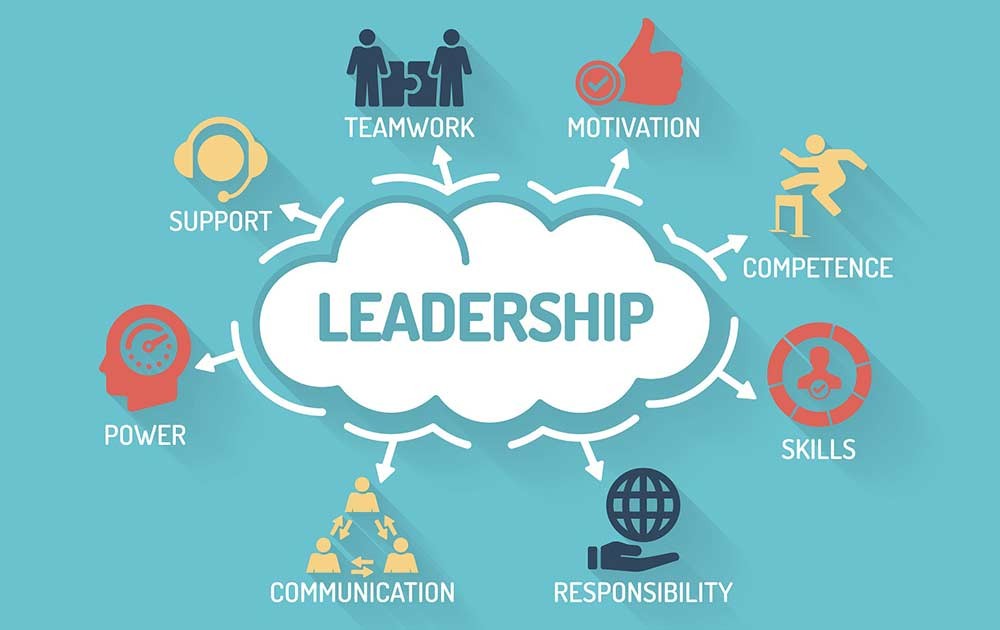
Healthcare Leadership in Asia Is Changing Fast: The Leaders Who Act Now Will Shape the Future of Healthcare

Healthcare leadership in Asia is entering a defining period. Across hospitals, clinics, health systems, universities, technology companies, and public institutions, leaders are facing challenges that cannot be solved through traditional management alone. Growing healthcare demands, changing patient expectations, digital transformation, workforce pressures, rising costs, and rapid medical innovation are forcing leaders to rethink how healthcare should be delivered. The question is no longer whether healthcare will change. It already is. The real question is whether today’s leaders are prepared to guide that change responsibly, strategically, and humanely.

The Future of Asian Healthcare Will Be Shaped by Leadership

Asia is incredibly diverse, and healthcare systems differ significantly from one country to another. Yet many healthcare leaders across the region face common pressures: improving access, maintaining quality, managing resources, attracting skilled professionals, adopting technology, and keeping patients at the center of decision-making. Strong healthcare leadership can turn these pressures into opportunities for meaningful reform. Leadership today is not simply about running an institution efficiently. It is about creating a culture capable of adapting to uncertainty while protecting the trust that patients place in healthcare professionals and organizations.

Technology Is Changing What Healthcare Leaders Must Understand

Artificial intelligence, telemedicine, electronic health records, remote monitoring, digital health platforms, robotics, and data-driven decision-making are transforming healthcare. But technology alone does not create better healthcare. Leaders must understand where technology genuinely improves patient outcomes, where it creates new risks, and how it should be implemented responsibly. A healthcare executive who ignores digital transformation risks falling behind, while a leader who adopts every new technology without evaluating its value can create unnecessary costs and complexity. The strongest approach is thoughtful innovation: use technology where it solves real problems and improves the experience of patients and healthcare professionals.

Patients Are Becoming More Informed and More Demanding

The modern patient is not simply waiting for instructions from a healthcare institution. People increasingly research symptoms, compare providers, seek second opinions, use health applications, read reviews, and expect convenient communication. This shift is changing the relationship between healthcare organizations and the communities they serve. Healthcare leadership must therefore move beyond the traditional concept of patient care and consider the complete patient experience. Accessibility, communication, transparency, dignity, convenience, responsiveness, and trust increasingly influence how people perceive healthcare organizations. Leaders who understand this transformation can build institutions around people rather than processes.

Healthcare Leadership Must Put People Before Systems

Behind every healthcare statistic is a human being. Behind every hospital department is a team of people working under pressure. Healthcare leaders therefore have a responsibility to create environments where doctors, nurses, technicians, administrators, caregivers, and support staff can perform at their best. Workforce challenges cannot be addressed only through recruitment. Leaders must think about professional development, communication, recognition, collaboration, workplace culture, and opportunities for growth. When healthcare professionals feel valued and supported, the organization is better positioned to provide compassionate and consistent care.

Asia Needs Leaders Who Can Connect Innovation With Accessibility

One of the biggest leadership challenges in Asian healthcare is ensuring that innovation does not benefit only those who can afford it. Advanced medical technologies, private healthcare services, digital platforms, and specialized treatments can create enormous opportunities, but access remains a critical consideration. Effective leadership requires asking difficult questions: Who benefits from this innovation? Who is being left behind? Can the solution work beyond major cities? Can it reach underserved communities? Can it remain financially sustainable? The future of healthcare leadership must connect innovation with inclusion, ensuring that progress has meaningful value for wider populations.

Collaboration Will Become One of the Most Important Leadership Skills

Healthcare problems rarely belong to one organization or profession. A hospital may need to work with universities, technology companies, pharmaceutical organizations, government agencies, researchers, community groups, and other healthcare providers. This makes collaboration an essential leadership capability. The strongest healthcare leaders understand that they do not need to have every answer themselves. They need to bring the right people together, establish shared objectives, encourage responsible experimentation, and create partnerships that produce measurable value. In an increasingly interconnected healthcare environment, leadership will depend as much on the ability to build bridges as the ability to make decisions.

Data Can Transform Healthcare, but Trust Cannot Be Compromised

Healthcare organizations are generating enormous amounts of information, creating opportunities for better planning, research, diagnosis, prevention, and resource allocation. However, healthcare data involves deeply personal information, making privacy, security, transparency, and responsible governance essential. Leaders must ensure that innovation does not move faster than accountability. Patients need to understand how their information is being used, while healthcare professionals need reliable systems that support rather than complicate their work. The future belongs to organizations that can use data intelligently while maintaining the trust of the people whose information makes that innovation possible.

The Next Generation of Healthcare Leaders Must Think Beyond Titles

Leadership is not limited to CEOs, hospital directors, ministers, or senior executives. A nurse who improves a department, a physician who introduces a better patient process, a researcher who develops a valuable discovery, or a young entrepreneur solving an overlooked healthcare problem can demonstrate leadership. Asia needs to develop this broader culture of leadership by giving emerging professionals opportunities to learn, experiment, collaborate, and take responsibility. Organizations that invest in leadership development today are building the healthcare capabilities they will need tomorrow. Waiting until a leadership position becomes vacant is too late to start developing leaders.

Healthcare Leaders Must Prepare for Problems That Have Not Arrived Yet

The most important leadership question may not be how healthcare organizations respond to today’s challenges, but how they prepare for tomorrow’s unknowns. Future healthcare systems may face new diseases, demographic changes, climate-related pressures, technological disruption, economic uncertainty, workforce shortages, and rapidly evolving patient expectations. Leaders cannot predict every challenge, but they can build organizations that are adaptable. Scenario planning, continuous learning, cross-sector partnerships, innovation programs, professional development, and strong communication can help healthcare institutions become more resilient. The organizations that prepare before disruption arrives will have more room to respond when it does.

The Future of Healthcare Leadership in Asia Starts With Action Today

Healthcare leadership in Asia is standing at an important crossroads. The region has extraordinary medical talent, entrepreneurial energy, technological potential, and diverse healthcare expertise. But potential becomes progress only when leaders are willing to act. The future will not be shaped simply by the newest technology, the largest hospital, or the most impressive healthcare strategy. It will be shaped by leaders who understand that healthcare is ultimately about people. Leaders who embrace innovation without abandoning humanity, pursue efficiency without sacrificing compassion, and build growth without forgetting accessibility can help create healthcare systems that are stronger, more trusted, and more prepared for the future. The time to rethink healthcare leadership is not someday. It is now.

Healthcare Leadership Is Changing: The Leaders Who Adapt Today Will Shape the Future of Care

Healthcare is entering an era where leadership can no longer be defined by titles, hospital walls, or traditional chains of command. The leaders shaping healthcare today are being asked to navigate technology, rising patient expectations, workforce pressures, financial uncertainty, data-driven decision-making, and a growing demand for more human-centered care. The question is no longer whether healthcare leadership will change, but whether leaders will change fast enough to lead what comes next. The future will belong to healthcare organizations that understand that better leadership does not simply improve administration; it can influence patient experiences, employee confidence, innovation, efficiency, trust, and ultimately the quality of care. Healthcare leadership is becoming more strategic, more collaborative, more digital, and more accountable than ever before.

One of the biggest changes is the shift from traditional authority to purposeful leadership. For decades, healthcare organizations often operated through clearly defined hierarchies where decisions moved from the top downward. Today, that approach is increasingly being challenged by complex problems that cannot be solved by one department or one executive alone. Modern healthcare leaders must listen to physicians, nurses, administrators, technology teams, patients, researchers, and frontline workers before making important decisions. This creates a culture where leadership is less about controlling people and more about creating the conditions in which talented people can perform at their best. The strongest healthcare leaders are becoming facilitators of progress, connecting different perspectives and turning collective knowledge into meaningful action.

Technology is also rewriting the responsibilities of healthcare leaders. Artificial intelligence, digital health platforms, electronic health records, remote monitoring, automation, predictive analytics, and telehealth are changing how healthcare organizations operate and how patients interact with providers. But technology itself is not the strategy. Leadership determines whether technology creates genuine value or simply adds another layer of complexity. Healthcare executives must now understand enough about emerging technologies to ask better questions, identify risks, protect patient information, evaluate outcomes, and make responsible investment decisions. The most successful leaders will not necessarily be the people who understand every technical detail; they will be the people who know how to connect technology with patient needs, clinical outcomes, organizational goals, and ethical responsibility.

Patient expectations are transforming leadership from an internal management function into a customer and experience-driven responsibility. Patients today have greater access to information, more choices, and higher expectations regarding communication, convenience, transparency, responsiveness, and personalized care. They increasingly expect healthcare organizations to understand that a patient experience extends far beyond the consultation room. Every interaction, from scheduling an appointment to receiving test results and communicating with healthcare professionals, contributes to trust. Healthcare leaders therefore need to look at their organizations through the patient’s eyes. A technically excellent healthcare organization can still lose confidence if patients feel ignored, confused, rushed, or disconnected. Future-focused leadership will place patient experience alongside clinical quality, operational efficiency, and financial sustainability.

The healthcare workforce is another major force changing leadership. Healthcare professionals are working in an environment where pressure, complexity, staffing challenges, changing regulations, and rapidly evolving expectations can place enormous demands on individuals and teams. Leaders who focus only on productivity without understanding the people delivering care risk creating cultures where burnout, disengagement, and turnover become organizational problems. Modern healthcare leadership requires a deeper understanding of employee experience, psychological safety, professional development, recognition, communication, and meaningful work. Leaders must create workplaces where healthcare professionals feel that their expertise matters and that they are part of a mission larger than a set of performance targets. When people feel valued and supported, organizations are better positioned to deliver consistent and compassionate care.

Data is becoming one of the most powerful leadership resources in modern healthcare, but data alone does not create better decisions. Healthcare leaders increasingly have access to enormous amounts of information related to patients, operations, costs, outcomes, staffing, quality, and performance. The real competitive advantage comes from knowing what information matters, how to interpret it, and when to act on it. Data-driven healthcare leadership means combining evidence with experience, clinical judgment, ethical considerations, and an understanding of real-world circumstances. Leaders who learn to translate complex information into clear priorities can make faster and more informed decisions. At the same time, they must recognize that every dataset represents real people whose privacy, dignity, and wellbeing must remain central to the decision-making process.

Another defining characteristic of future healthcare leadership will be the ability to lead through uncertainty. Healthcare organizations are increasingly exposed to changing technologies, economic pressures, public health challenges, regulatory developments, supply chain disruptions, and evolving patient needs. Waiting for certainty before acting can become a serious disadvantage. Effective leaders must develop the ability to anticipate change, prepare multiple scenarios, communicate clearly during difficult moments, and make responsible decisions even when information is incomplete. This does not mean making reckless decisions. It means building organizations that can adapt without losing their core purpose. Resilient leadership creates systems that can absorb disruption, learn from setbacks, and continue moving forward rather than becoming paralyzed by change.

Collaboration is becoming equally important because the future of healthcare cannot be built in isolation. Hospitals, clinics, technology companies, pharmaceutical organizations, researchers, universities, governments, insurers, community organizations, and patients all influence the healthcare ecosystem. The most important breakthroughs may increasingly emerge at the intersection of these groups rather than within one institution. Healthcare leaders therefore need to become strong relationship builders who can create partnerships around shared objectives. Collaboration can accelerate innovation, expand access, improve knowledge sharing, and create solutions that individual organizations may struggle to develop alone. The leaders who understand how to build trusted networks will have an important advantage in an increasingly interconnected healthcare environment.

Ethical leadership will also become more important as healthcare becomes more technologically sophisticated. Artificial intelligence and advanced data systems can create remarkable opportunities, but they also raise serious questions about privacy, bias, transparency, accountability, accessibility, and human oversight. Healthcare leaders cannot treat ethics as an afterthought once a technology has already been implemented. Responsible leadership requires ethical considerations to be incorporated from the beginning. Patients need to know that their information is being handled responsibly and that important healthcare decisions are not being reduced to algorithms without appropriate human judgment. Trust is one of healthcare’s most valuable assets, and leaders who sacrifice trust for short-term efficiency may create long-term damage that is far more difficult to repair.

The leaders of tomorrow will also need to become stronger communicators. In an environment filled with complex medical information, organizational change, technology adoption, financial pressure, and public expectations, silence creates uncertainty. Employees need to understand why change is happening. Patients need clear information about their care. Partners need confidence in organizational direction. Communities need transparency from healthcare institutions. Great healthcare communication is not about using impressive language; it is about making complex issues understandable, honest, and meaningful. Leaders who communicate with clarity and empathy can turn uncertainty into confidence and resistance into participation. In the future, communication will not be a secondary leadership skill. It will be one of the foundations of effective healthcare management.

Ultimately, healthcare leadership is changing because healthcare itself is changing. The next generation of leaders will be judged not simply by the size of their organizations or the strength of their financial results, but by the meaningful impact they create for patients, professionals, communities, and the wider healthcare system. The opportunity is enormous, but so is the responsibility. Organizations that continue relying exclusively on yesterday’s leadership models may struggle to respond to tomorrow’s expectations. Those willing to embrace innovation, empathy, collaboration, ethical decision-making, data intelligence, workforce wellbeing, and patient-centered thinking can build healthcare organizations prepared for what lies ahead. The future of healthcare will not be shaped by technology alone. It will be shaped by leaders courageous enough to rethink how healthcare should be delivered, experienced, and improved. The leadership decisions being made today are already defining the healthcare patients will experience tomorrow.

The Silent Revolution in Healthcare Why Modern Surgical Equipment Is Redefining Survival Rates and the Future of Medical Care Worldwide

In every generation, healthcare has experienced turning points that permanently changed how human life is saved, extended, and restored. Today, we are standing inside one of those turning points. The evolution of modern surgical equipment is not just an upgrade in medical tools. It is a transformation of how healthcare systems think, act, and respond when a human life hangs in balance.

I, Saqib Saeed Malik, Managing Director of NAZMED SMS SDN BHD, have witnessed firsthand how surgical innovation is no longer a luxury for advanced hospitals but a necessity for survival. The impact of modern surgical equipment on healthcare delivery is deeper than most people realize. It is quietly reshaping outcomes, reducing risks, improving precision, and increasing the confidence of surgeons who operate in life critical environments every single day.

What was once considered complex and high risk surgery is now becoming more controlled, predictable, and minimally invasive due to advanced surgical instruments, precision driven devices, and digital integration inside operating rooms. This shift is not gradual anymore. It is accelerating rapidly, and healthcare systems that fail to keep up risk falling behind in patient safety and treatment efficiency.

Modern surgical equipment has changed the meaning of accuracy. Surgeons are no longer relying only on experience and manual skill. They are now supported by technology that enhances vision, stabilizes movement, reduces human error, and improves decision making during critical procedures. From high precision surgical instruments to advanced imaging systems, every tool is designed to reduce uncertainty and increase success rates.

One of the most powerful impacts is seen in minimally invasive surgery. Patients who once had to endure large incisions, long hospital stays, and painful recovery processes are now experiencing faster healing, reduced infection risks, and significantly less physical trauma. This shift is not just medical progress. It is human progress.

Another major transformation lies in surgical efficiency. Modern operating rooms equipped with advanced tools allow medical teams to perform procedures faster without compromising safety. In emergency situations, every second matters. The availability of reliable and precise equipment can be the difference between life and loss.

However, the true value of modern surgical equipment is not only in machines or instruments. It is in the confidence it gives to healthcare professionals. When surgeons trust their tools, they operate with greater focus, clarity, and precision. This confidence directly translates into better patient outcomes and stronger healthcare systems.

Despite these advancements, a critical challenge remains. Many healthcare facilities across different regions still struggle with outdated equipment, limited access to modern technology, and budget constraints. This gap creates inequality in healthcare delivery, where survival chances can depend on location rather than medical need. This is a reality that must be addressed with urgency.

Investment in modern surgical equipment is not an expense. It is a long term commitment to saving lives. Governments, private hospitals, and healthcare suppliers must recognize that upgrading surgical infrastructure is one of the most impactful decisions they can make for public health.

As we move forward, the future of healthcare delivery will depend heavily on continuous innovation in surgical technology. Artificial intelligence supported surgical systems, robotic assistance, and smart diagnostic integration are already shaping the next phase of medicine. The question is no longer whether this transformation will happen, but how quickly healthcare systems can adapt to it.

The impact of modern surgical equipment is clear. It improves survival rates, enhances surgical precision, reduces recovery time, and elevates the entire standard of healthcare delivery. But beyond statistics and technology, it ultimately represents something more powerful. It represents hope for patients and responsibility for the global medical community.

Healthcare is entering a new era, and those who invest in modern surgical excellence today will define the standard of care for generations to come.