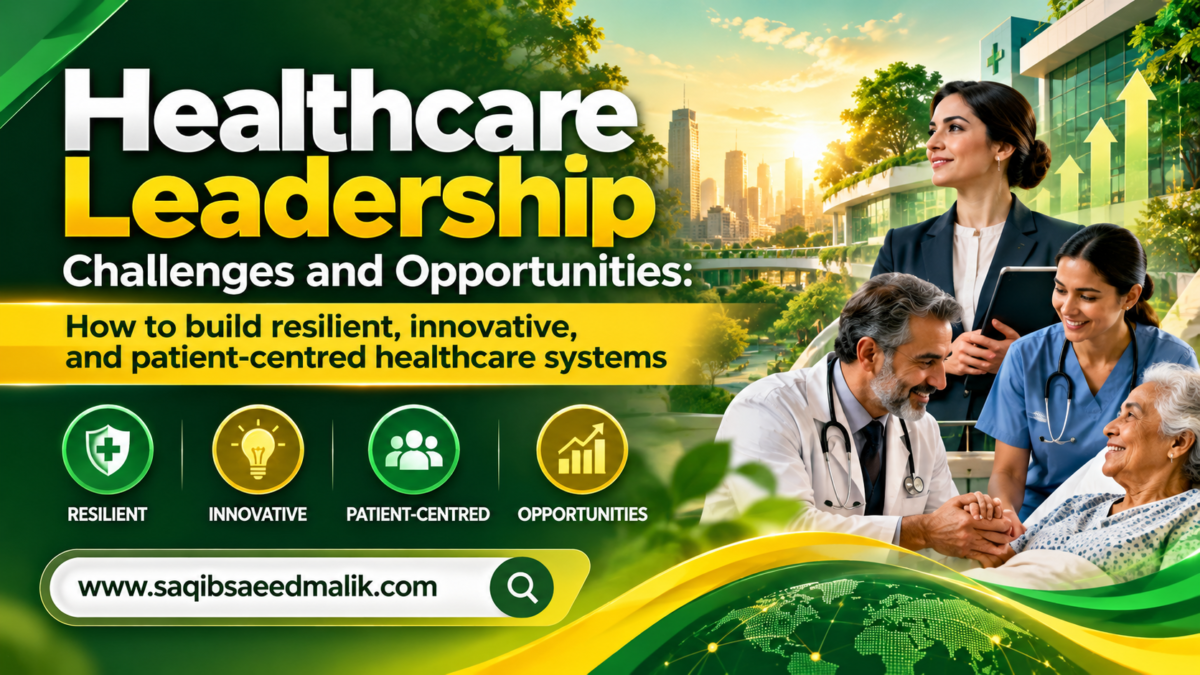
Healthcare leadership challenges and opportunities: How to build resilient, innovative, and patient-centred healthcare systems

Healthcare leadership has entered a defining period. Hospitals, clinics, public health organisations, and healthcare networks are being asked to deliver better patient outcomes while managing rising costs, workforce shortages, rapid technological change, and growing public expectations. The leaders responsible for navigating these pressures can no longer rely on traditional management practices alone. They must combine clinical understanding, strategic thinking, financial discipline, digital awareness, and the ability to lead people through uncertainty. The strongest opportunity is not simply to make healthcare organisations more efficient. It is to build systems that respond faster, treat people with dignity, support healthcare professionals, and make high-quality care more accessible. For healthcare executives, hospital administrators, medical directors, nursing leaders, and policymakers, understanding the relationship between leadership challenges and emerging opportunities is essential to creating lasting improvements.

Healthcare leadership challenges and opportunities in a changing world

1. Workforce shortages are testing the foundations of healthcare leadership

Healthcare organisations cannot deliver consistent, high-quality care without a skilled, supported, and adequately staffed workforce. Yet recruiting and retaining qualified professionals remains a significant challenge, particularly in systems facing limited resources, growing patient demand, and uneven access to training. The World Health Organization projects a global shortfall of approximately 11 million health workers by 2030, highlighting the scale of the workforce challenge.For healthcare leaders, the issue extends beyond filling vacancies. It requires understanding why professionals leave, where workloads become unsustainable, and how workplace culture influences performance. A hospital may invest in sophisticated equipment, but if its nurses are overwhelmed and experienced doctors are leaving, the organisation’s capacity to provide reliable care remains at risk. The opportunity is to redesign workforce planning, strengthen professional development, improve scheduling, and create clear career pathways. Leaders who listen to frontline staff and act on their concerns can build a more stable workforce while protecting the quality of patient care.

2. Preventing burnout requires more than employee wellness programmes

Healthcare professionals regularly make decisions under pressure, communicate difficult news, manage demanding schedules, and care for people experiencing pain or uncertainty. Over time, excessive workloads and inadequate organisational support can contribute to exhaustion, disengagement, and staff turnover. A leadership team cannot solve these problems simply by offering occasional wellness sessions while leaving the underlying causes untouched. It must examine staffing ratios, administrative burdens, workplace safety, management behaviour, and opportunities for rest and recovery. Consider a nurse who spends more time completing repetitive documentation than speaking with patients. The problem may not be a lack of commitment; it may be a poorly designed system. Healthcare leaders should involve employees in identifying operational bottlenecks, remove unnecessary tasks, strengthen support for managers, and create safe channels for reporting concerns. Protecting staff wellbeing is an operational priority because the people delivering care need an environment in which they can work safely, think clearly, and remain professionally engaged.

3. Financial pressure demands smarter decisions, not indiscriminate cuts

Healthcare leaders face the difficult responsibility of balancing financial sustainability with clinical quality and equitable access. Hospitals must manage salaries, medical equipment, pharmaceuticals, infrastructure, technology investments, and emergency capacity while responding to changing patient needs. Cutting expenditure without understanding its consequences can create more expensive problems later, including preventable complications, avoidable readmissions, staff turnover, and operational delays. Effective healthcare financial management therefore requires a distinction between reducing waste and reducing essential capacity. Leaders should examine procurement practices, patient flow, equipment utilisation, duplicated administrative work, and the causes of unnecessary delays. They should also evaluate investments according to their expected clinical and operational benefits, rather than their immediate appeal. A new digital platform, for example, is valuable only if it improves a meaningful process and its total cost is justified. By connecting budgets with measurable patient outcomes, workforce needs, and service priorities, healthcare executives can make more defensible decisions and direct limited resources towards areas where they create the greatest value.

4. Digital transformation creates opportunities but raises difficult questions

Electronic health records, telehealth, remote monitoring, predictive analytics, and artificial intelligence are changing how healthcare services can be delivered and managed. These technologies may help clinicians access information, reduce administrative workloads, identify patterns in clinical data, and support more timely decisions. However, purchasing technology is not the same as transforming healthcare. Poor integration, inadequate training, incompatible systems, and resistance to unfamiliar workflows can undermine even well-funded projects. The OECD highlights both the potential of AI in healthcare and the importance of managing risks involving privacy, bias, and unequal access. Leaders should begin with a clearly defined problem, involve clinicians and patients in the design process, and establish appropriate safeguards before implementation. They must also ensure that staff understand how tools work, where their limitations lie, and when human judgement must take precedence. The strongest digital strategy is not the one that adopts the most technology. It is the one that uses appropriate technology responsibly to improve care, reduce friction, and support better decisions.

5. Patient-centred leadership must move from policy to everyday practice

Most healthcare organisations state that patients come first. The real test is whether that principle shapes appointment systems, communication, discharge planning, treatment decisions, and the handling of complaints. Patients may judge a healthcare service not only by the clinical treatment they receive but also by whether someone explains their options, respects their concerns, protects their privacy, and treats their families with consideration. These experiences can influence confidence in the healthcare system and a patient’s willingness to seek further care. Leaders should therefore make patient experience a meaningful part of organisational performance, alongside safety, clinical effectiveness, and operational efficiency. Patient feedback should be reviewed systematically, with recurring problems assigned to accountable teams and followed through to resolution. Accessible communication, culturally appropriate services, clear explanations of costs, and practical support for people with disabilities can make care more inclusive. Patient-centred leadership does not mean promising every patient everything they request. It means ensuring that decisions are clinically sound, transparent, respectful, and responsive to individual needs.

6. Artificial intelligence requires accountable and ethical leadership

Artificial intelligence is creating new possibilities in medical imaging, clinical documentation, administrative automation, risk prediction, and decision support. Its potential is substantial, but healthcare leaders must distinguish promising applications from tools that are inadequately validated for their intended use. A model trained on unrepresentative data may perform less reliably for certain patient groups. An automated recommendation may appear authoritative even when the underlying information is incomplete. Sensitive medical information may also be exposed if data governance is weak. Responsible leadership begins with clear rules about which tools may be used, who approves them, how performance is monitored, and who remains accountable for decisions. Organisations should assess clinical validity, fairness, security, transparency, and the consequences of errors before deployment. Staff must know when to question an AI-generated recommendation and how to escalate concerns. Patients should receive appropriate information about relevant uses of their data and automated systems. The objective is not to resist innovation or delegate responsibility to machines. It is to ensure that innovation strengthens professional judgement and patient safety instead of introducing poorly understood risks.

7. Collaboration across departments can overcome fragmented care

Healthcare systems are complex networks of clinicians, nurses, pharmacists, laboratory teams, administrators, community providers, insurers, and public health authorities. When these groups operate in isolation, important information can be lost, decisions can be delayed, and patients may experience confusing transitions between services. Leadership must create conditions in which collaboration is part of normal operations rather than an occasional initiative. Multidisciplinary planning meetings, shared clinical protocols, reliable referral processes, and clear communication during patient handovers can help teams coordinate their work. Leaders should also examine whether performance targets encourage departments to optimise their own results at the expense of the wider patient journey. A department that clears its waiting list by transferring unresolved work elsewhere has not necessarily improved the overall system. Effective collaboration requires shared goals, clear responsibilities, and a willingness to address disagreements constructively. By connecting primary care, hospitals, specialist services, rehabilitation, and community support, healthcare organisations can work towards more continuous care and fewer avoidable gaps in the patient experience.

8. Change management determines whether innovation succeeds

Healthcare leaders frequently introduce new procedures, software, staffing models, quality standards, and service delivery arrangements. Even when the proposed change is sensible, implementation can fail if staff do not understand its purpose or believe their practical concerns have been ignored. Clinical environments depend on established routines for good reasons, including safety and professional accountability. Leaders must therefore explain what needs to change, why it matters, how the transition will work, and what support will be available. Frontline professionals should be involved early enough to influence decisions, not simply informed after the strategy has been finalised. Pilot programmes can reveal problems before a wider rollout, while structured training and regular feedback can help teams adapt. Progress should be assessed using evidence rather than assumptions, and leaders must be prepared to revise an approach that is not working. Successful change management recognises that implementation is a process of learning. When employees can see that their feedback leads to practical improvements, they are more likely to participate in building a better system.

9. Equity and access offer a critical opportunity for healthcare innovation

Access to healthcare remains uneven within and across countries. Geography, income, disability, language, digital access, and the availability of healthcare professionals can all affect whether people receive timely and appropriate services. Leadership decisions influence how these barriers are addressed, from the location of facilities to appointment availability and the design of digital services. Telehealth may reduce travel for some patients, but it cannot replace every physical examination or serve people who lack reliable connectivity, suitable devices, or digital confidence. Similarly, centralising specialist services may improve efficiency while increasing the travel burden for rural communities. Leaders need to assess who benefits from a proposed change and who may be left behind. Community partnerships, accessible facilities, mobile services where appropriate, stronger primary care, and multilingual patient information can help close practical gaps. Equity should be considered during planning and budgeting, rather than added as an afterthought. Healthcare organisations that design services around the needs of underserved populations can improve access while building greater public trust and strengthening the overall resilience of the system.

10. Leadership development must prepare healthcare executives for complexity

Clinical expertise and administrative experience remain important, but contemporary healthcare leadership also requires financial literacy, digital competence, strategic communication, ethical judgement, and the ability to lead across professional boundaries. Experienced clinicians promoted into management may receive limited preparation for budgeting, workforce planning, negotiation, or organisational change. Conversely, executives with strong commercial backgrounds may need deeper exposure to clinical workflows and patient safety. Organisations can address these gaps through structured leadership development, mentoring, interdisciplinary training, and practical improvement projects. Succession planning is equally important: institutions should identify emerging leaders, provide meaningful responsibilities, and build teams with complementary capabilities. Performance assessments should consider not only financial results and service targets but also staff retention, patient experience, safety, and the quality of collaboration. Leaders must be willing to acknowledge uncertainty, learn from mistakes, and invite informed challenge. A healthy leadership culture does not depend on one exceptional individual. It develops the collective ability of an organisation to make sound decisions, respond to emerging risks, and maintain its standards when circumstances change.

11. Turning healthcare leadership challenges into measurable opportunities

The next stage of healthcare leadership requires disciplined execution. Organisations should begin by identifying a small number of high-priority problems, establishing baseline performance, assigning accountable owners, and setting realistic review dates. Useful indicators may include staff turnover, vacancy rates, waiting times, patient safety incidents, avoidable readmissions, patient feedback, digital adoption, and the cost of delivering specific services. These measures should be interpreted together: a shorter waiting time is not an improvement if it comes at the expense of safety or continuity of care. Leaders should also distinguish between activity and impact. Launching a programme, purchasing a platform, or delivering training represents activity; demonstrating a sustained improvement in care represents impact. A practical first step is to bring clinical, operational, financial, and patient representatives together to agree on one problem that matters, test a focused intervention, and review the evidence before expanding it. Healthcare leadership becomes more effective when strategy translates into visible changes for patients and professionals. The organisations best positioned for the future will be those that treat challenges as signals for improvement while keeping patient welfare, professional integrity, and long-term sustainability at the centre of every major decision.
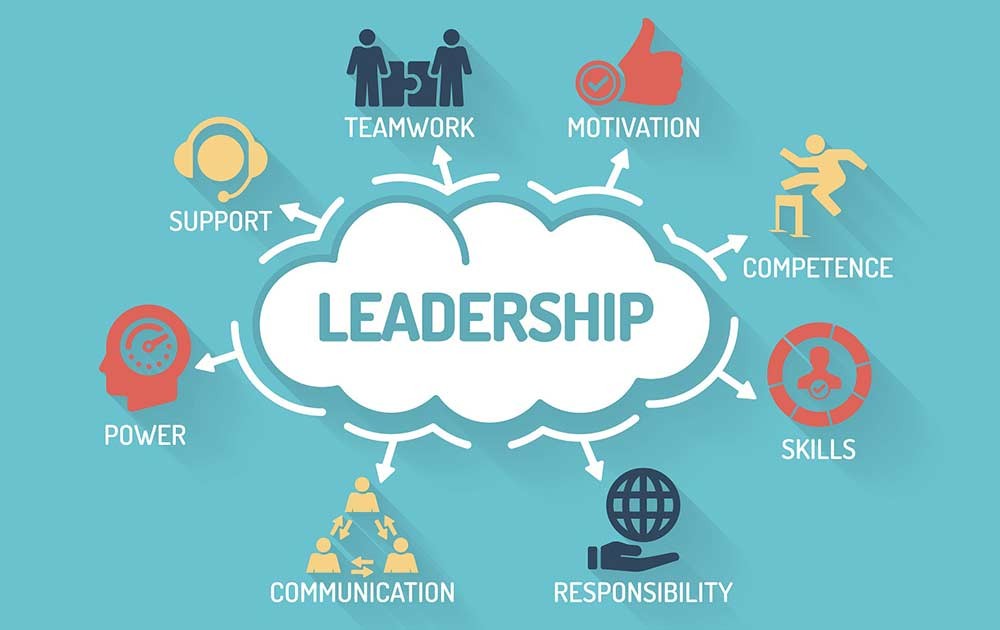
Healthcare Leadership in Asia Is Changing Fast: The Leaders Who Act Now Will Shape the Future of Healthcare

Healthcare leadership in Asia is entering a defining period. Across hospitals, clinics, health systems, universities, technology companies, and public institutions, leaders are facing challenges that cannot be solved through traditional management alone. Growing healthcare demands, changing patient expectations, digital transformation, workforce pressures, rising costs, and rapid medical innovation are forcing leaders to rethink how healthcare should be delivered. The question is no longer whether healthcare will change. It already is. The real question is whether today’s leaders are prepared to guide that change responsibly, strategically, and humanely.

The Future of Asian Healthcare Will Be Shaped by Leadership

Asia is incredibly diverse, and healthcare systems differ significantly from one country to another. Yet many healthcare leaders across the region face common pressures: improving access, maintaining quality, managing resources, attracting skilled professionals, adopting technology, and keeping patients at the center of decision-making. Strong healthcare leadership can turn these pressures into opportunities for meaningful reform. Leadership today is not simply about running an institution efficiently. It is about creating a culture capable of adapting to uncertainty while protecting the trust that patients place in healthcare professionals and organizations.

Technology Is Changing What Healthcare Leaders Must Understand

Artificial intelligence, telemedicine, electronic health records, remote monitoring, digital health platforms, robotics, and data-driven decision-making are transforming healthcare. But technology alone does not create better healthcare. Leaders must understand where technology genuinely improves patient outcomes, where it creates new risks, and how it should be implemented responsibly. A healthcare executive who ignores digital transformation risks falling behind, while a leader who adopts every new technology without evaluating its value can create unnecessary costs and complexity. The strongest approach is thoughtful innovation: use technology where it solves real problems and improves the experience of patients and healthcare professionals.

Patients Are Becoming More Informed and More Demanding

The modern patient is not simply waiting for instructions from a healthcare institution. People increasingly research symptoms, compare providers, seek second opinions, use health applications, read reviews, and expect convenient communication. This shift is changing the relationship between healthcare organizations and the communities they serve. Healthcare leadership must therefore move beyond the traditional concept of patient care and consider the complete patient experience. Accessibility, communication, transparency, dignity, convenience, responsiveness, and trust increasingly influence how people perceive healthcare organizations. Leaders who understand this transformation can build institutions around people rather than processes.

Healthcare Leadership Must Put People Before Systems

Behind every healthcare statistic is a human being. Behind every hospital department is a team of people working under pressure. Healthcare leaders therefore have a responsibility to create environments where doctors, nurses, technicians, administrators, caregivers, and support staff can perform at their best. Workforce challenges cannot be addressed only through recruitment. Leaders must think about professional development, communication, recognition, collaboration, workplace culture, and opportunities for growth. When healthcare professionals feel valued and supported, the organization is better positioned to provide compassionate and consistent care.

Asia Needs Leaders Who Can Connect Innovation With Accessibility

One of the biggest leadership challenges in Asian healthcare is ensuring that innovation does not benefit only those who can afford it. Advanced medical technologies, private healthcare services, digital platforms, and specialized treatments can create enormous opportunities, but access remains a critical consideration. Effective leadership requires asking difficult questions: Who benefits from this innovation? Who is being left behind? Can the solution work beyond major cities? Can it reach underserved communities? Can it remain financially sustainable? The future of healthcare leadership must connect innovation with inclusion, ensuring that progress has meaningful value for wider populations.

Collaboration Will Become One of the Most Important Leadership Skills

Healthcare problems rarely belong to one organization or profession. A hospital may need to work with universities, technology companies, pharmaceutical organizations, government agencies, researchers, community groups, and other healthcare providers. This makes collaboration an essential leadership capability. The strongest healthcare leaders understand that they do not need to have every answer themselves. They need to bring the right people together, establish shared objectives, encourage responsible experimentation, and create partnerships that produce measurable value. In an increasingly interconnected healthcare environment, leadership will depend as much on the ability to build bridges as the ability to make decisions.

Data Can Transform Healthcare, but Trust Cannot Be Compromised

Healthcare organizations are generating enormous amounts of information, creating opportunities for better planning, research, diagnosis, prevention, and resource allocation. However, healthcare data involves deeply personal information, making privacy, security, transparency, and responsible governance essential. Leaders must ensure that innovation does not move faster than accountability. Patients need to understand how their information is being used, while healthcare professionals need reliable systems that support rather than complicate their work. The future belongs to organizations that can use data intelligently while maintaining the trust of the people whose information makes that innovation possible.

The Next Generation of Healthcare Leaders Must Think Beyond Titles

Leadership is not limited to CEOs, hospital directors, ministers, or senior executives. A nurse who improves a department, a physician who introduces a better patient process, a researcher who develops a valuable discovery, or a young entrepreneur solving an overlooked healthcare problem can demonstrate leadership. Asia needs to develop this broader culture of leadership by giving emerging professionals opportunities to learn, experiment, collaborate, and take responsibility. Organizations that invest in leadership development today are building the healthcare capabilities they will need tomorrow. Waiting until a leadership position becomes vacant is too late to start developing leaders.

Healthcare Leaders Must Prepare for Problems That Have Not Arrived Yet

The most important leadership question may not be how healthcare organizations respond to today’s challenges, but how they prepare for tomorrow’s unknowns. Future healthcare systems may face new diseases, demographic changes, climate-related pressures, technological disruption, economic uncertainty, workforce shortages, and rapidly evolving patient expectations. Leaders cannot predict every challenge, but they can build organizations that are adaptable. Scenario planning, continuous learning, cross-sector partnerships, innovation programs, professional development, and strong communication can help healthcare institutions become more resilient. The organizations that prepare before disruption arrives will have more room to respond when it does.

The Future of Healthcare Leadership in Asia Starts With Action Today

Healthcare leadership in Asia is standing at an important crossroads. The region has extraordinary medical talent, entrepreneurial energy, technological potential, and diverse healthcare expertise. But potential becomes progress only when leaders are willing to act. The future will not be shaped simply by the newest technology, the largest hospital, or the most impressive healthcare strategy. It will be shaped by leaders who understand that healthcare is ultimately about people. Leaders who embrace innovation without abandoning humanity, pursue efficiency without sacrificing compassion, and build growth without forgetting accessibility can help create healthcare systems that are stronger, more trusted, and more prepared for the future. The time to rethink healthcare leadership is not someday. It is now.

Healthcare Leadership Is Changing: The Leaders Who Adapt Today Will Shape the Future of Care

Healthcare is entering an era where leadership can no longer be defined by titles, hospital walls, or traditional chains of command. The leaders shaping healthcare today are being asked to navigate technology, rising patient expectations, workforce pressures, financial uncertainty, data-driven decision-making, and a growing demand for more human-centered care. The question is no longer whether healthcare leadership will change, but whether leaders will change fast enough to lead what comes next. The future will belong to healthcare organizations that understand that better leadership does not simply improve administration; it can influence patient experiences, employee confidence, innovation, efficiency, trust, and ultimately the quality of care. Healthcare leadership is becoming more strategic, more collaborative, more digital, and more accountable than ever before.

One of the biggest changes is the shift from traditional authority to purposeful leadership. For decades, healthcare organizations often operated through clearly defined hierarchies where decisions moved from the top downward. Today, that approach is increasingly being challenged by complex problems that cannot be solved by one department or one executive alone. Modern healthcare leaders must listen to physicians, nurses, administrators, technology teams, patients, researchers, and frontline workers before making important decisions. This creates a culture where leadership is less about controlling people and more about creating the conditions in which talented people can perform at their best. The strongest healthcare leaders are becoming facilitators of progress, connecting different perspectives and turning collective knowledge into meaningful action.

Technology is also rewriting the responsibilities of healthcare leaders. Artificial intelligence, digital health platforms, electronic health records, remote monitoring, automation, predictive analytics, and telehealth are changing how healthcare organizations operate and how patients interact with providers. But technology itself is not the strategy. Leadership determines whether technology creates genuine value or simply adds another layer of complexity. Healthcare executives must now understand enough about emerging technologies to ask better questions, identify risks, protect patient information, evaluate outcomes, and make responsible investment decisions. The most successful leaders will not necessarily be the people who understand every technical detail; they will be the people who know how to connect technology with patient needs, clinical outcomes, organizational goals, and ethical responsibility.

Patient expectations are transforming leadership from an internal management function into a customer and experience-driven responsibility. Patients today have greater access to information, more choices, and higher expectations regarding communication, convenience, transparency, responsiveness, and personalized care. They increasingly expect healthcare organizations to understand that a patient experience extends far beyond the consultation room. Every interaction, from scheduling an appointment to receiving test results and communicating with healthcare professionals, contributes to trust. Healthcare leaders therefore need to look at their organizations through the patient’s eyes. A technically excellent healthcare organization can still lose confidence if patients feel ignored, confused, rushed, or disconnected. Future-focused leadership will place patient experience alongside clinical quality, operational efficiency, and financial sustainability.

The healthcare workforce is another major force changing leadership. Healthcare professionals are working in an environment where pressure, complexity, staffing challenges, changing regulations, and rapidly evolving expectations can place enormous demands on individuals and teams. Leaders who focus only on productivity without understanding the people delivering care risk creating cultures where burnout, disengagement, and turnover become organizational problems. Modern healthcare leadership requires a deeper understanding of employee experience, psychological safety, professional development, recognition, communication, and meaningful work. Leaders must create workplaces where healthcare professionals feel that their expertise matters and that they are part of a mission larger than a set of performance targets. When people feel valued and supported, organizations are better positioned to deliver consistent and compassionate care.

Data is becoming one of the most powerful leadership resources in modern healthcare, but data alone does not create better decisions. Healthcare leaders increasingly have access to enormous amounts of information related to patients, operations, costs, outcomes, staffing, quality, and performance. The real competitive advantage comes from knowing what information matters, how to interpret it, and when to act on it. Data-driven healthcare leadership means combining evidence with experience, clinical judgment, ethical considerations, and an understanding of real-world circumstances. Leaders who learn to translate complex information into clear priorities can make faster and more informed decisions. At the same time, they must recognize that every dataset represents real people whose privacy, dignity, and wellbeing must remain central to the decision-making process.

Another defining characteristic of future healthcare leadership will be the ability to lead through uncertainty. Healthcare organizations are increasingly exposed to changing technologies, economic pressures, public health challenges, regulatory developments, supply chain disruptions, and evolving patient needs. Waiting for certainty before acting can become a serious disadvantage. Effective leaders must develop the ability to anticipate change, prepare multiple scenarios, communicate clearly during difficult moments, and make responsible decisions even when information is incomplete. This does not mean making reckless decisions. It means building organizations that can adapt without losing their core purpose. Resilient leadership creates systems that can absorb disruption, learn from setbacks, and continue moving forward rather than becoming paralyzed by change.

Collaboration is becoming equally important because the future of healthcare cannot be built in isolation. Hospitals, clinics, technology companies, pharmaceutical organizations, researchers, universities, governments, insurers, community organizations, and patients all influence the healthcare ecosystem. The most important breakthroughs may increasingly emerge at the intersection of these groups rather than within one institution. Healthcare leaders therefore need to become strong relationship builders who can create partnerships around shared objectives. Collaboration can accelerate innovation, expand access, improve knowledge sharing, and create solutions that individual organizations may struggle to develop alone. The leaders who understand how to build trusted networks will have an important advantage in an increasingly interconnected healthcare environment.

Ethical leadership will also become more important as healthcare becomes more technologically sophisticated. Artificial intelligence and advanced data systems can create remarkable opportunities, but they also raise serious questions about privacy, bias, transparency, accountability, accessibility, and human oversight. Healthcare leaders cannot treat ethics as an afterthought once a technology has already been implemented. Responsible leadership requires ethical considerations to be incorporated from the beginning. Patients need to know that their information is being handled responsibly and that important healthcare decisions are not being reduced to algorithms without appropriate human judgment. Trust is one of healthcare’s most valuable assets, and leaders who sacrifice trust for short-term efficiency may create long-term damage that is far more difficult to repair.

The leaders of tomorrow will also need to become stronger communicators. In an environment filled with complex medical information, organizational change, technology adoption, financial pressure, and public expectations, silence creates uncertainty. Employees need to understand why change is happening. Patients need clear information about their care. Partners need confidence in organizational direction. Communities need transparency from healthcare institutions. Great healthcare communication is not about using impressive language; it is about making complex issues understandable, honest, and meaningful. Leaders who communicate with clarity and empathy can turn uncertainty into confidence and resistance into participation. In the future, communication will not be a secondary leadership skill. It will be one of the foundations of effective healthcare management.

Ultimately, healthcare leadership is changing because healthcare itself is changing. The next generation of leaders will be judged not simply by the size of their organizations or the strength of their financial results, but by the meaningful impact they create for patients, professionals, communities, and the wider healthcare system. The opportunity is enormous, but so is the responsibility. Organizations that continue relying exclusively on yesterday’s leadership models may struggle to respond to tomorrow’s expectations. Those willing to embrace innovation, empathy, collaboration, ethical decision-making, data intelligence, workforce wellbeing, and patient-centered thinking can build healthcare organizations prepared for what lies ahead. The future of healthcare will not be shaped by technology alone. It will be shaped by leaders courageous enough to rethink how healthcare should be delivered, experienced, and improved. The leadership decisions being made today are already defining the healthcare patients will experience tomorrow.

Patient experience and satisfaction: Private vs. Public Healthcare – The hidden truth every patient should know before choosing where to receive treatment

Patient experience and satisfaction: Private vs. Public Healthcare

Healthcare is one of the most important investments anyone will ever make. Whether seeking treatment for a common illness, preparing for surgery, managing a chronic condition, or simply attending a routine medical check-up, every patient expects compassionate care, timely treatment, accurate diagnosis, and positive outcomes.

Yet millions of people face one important question before receiving medical care:

Should I choose private healthcare or public healthcare?

The answer is not always simple.

Both healthcare systems play an essential role in protecting communities and improving lives. Public healthcare provides affordable or government-funded medical services to large populations, while private healthcare often focuses on faster access, personalized services, and advanced patient experiences.

However, when patients compare their overall satisfaction, expectations often go beyond medical expertise. They evaluate waiting times, communication, comfort, cleanliness, accessibility, technology, emotional support, privacy, convenience, and confidence in the healthcare team.

Understanding these differences can help patients make informed healthcare decisions while encouraging healthcare providers to continuously improve the quality of care they deliver.

Why patient experience matters more than ever

Modern healthcare is no longer measured only by successful surgeries or accurate diagnoses.

Today’s patients want healthcare providers who listen carefully, communicate honestly, respect their concerns, involve them in treatment decisions, and create a safe, welcoming environment.

Patient experience directly influences:

Treatment success
Medication compliance
Recovery time
Mental well-being
Patient loyalty
Hospital reputation
Healthcare quality ratings

Research consistently shows that patients who enjoy positive healthcare experiences are more likely to follow medical advice, attend follow-up appointments, recommend providers to others, and achieve better health outcomes.

Patient satisfaction has become one of the strongest indicators of healthcare excellence.

Understanding public healthcare

Public healthcare is funded primarily through governments or public insurance programs. Its primary mission is to provide accessible healthcare regardless of income level.

Public healthcare systems aim to serve entire populations by ensuring essential medical services remain available to everyone.

Common services include:

Emergency treatment
Preventive care
Vaccinations
Maternity care
Chronic disease management
Surgical procedures
Specialist referrals
Rehabilitation services

Public healthcare has transformed millions of lives by making healthcare accessible to people who might otherwise be unable to afford treatment.

Advantages of public healthcare
Affordable medical care

One of the greatest strengths of public healthcare is affordability.

Patients often receive essential treatments at little or no direct cost, reducing financial stress during difficult medical situations.

Equal access

Public healthcare promotes healthcare equity by ensuring medical services remain available regardless of financial background.

Strong emergency services

Most public hospitals operate advanced emergency departments capable of treating life-threatening conditions around the clock.

Comprehensive specialist networks

Large public hospitals often house multiple specialties under one roof, allowing multidisciplinary collaboration for complex medical cases.

Preventive healthcare

Vaccination programs, health screenings, disease prevention campaigns, and public health education improve overall population health.

Challenges patients may experience in public healthcare

Despite its strengths, public healthcare also faces several challenges.

Longer waiting times

High patient volumes frequently result in delayed appointments, elective surgeries, diagnostic imaging, and specialist consultations.

Patients with non-emergency conditions may wait weeks or months before receiving treatment.

Limited consultation time

Doctors often care for large numbers of patients each day.

This can reduce consultation time and limit opportunities for detailed discussions.

Resource limitations

Growing populations and limited budgets sometimes lead to shortages of hospital beds, medical equipment, and healthcare professionals.

Overcrowding

Busy emergency departments and outpatient clinics may create stressful environments for both patients and healthcare workers.

Understanding private healthcare

Private healthcare is funded through private insurance or direct patient payments.

Private hospitals and clinics typically emphasize convenience, personalized care, shorter waiting times, and premium facilities.

Many patients choose private healthcare because they value flexibility and individualized attention.

Advantages of private healthcare
Faster access to treatment

One of the biggest reasons patients choose private healthcare is reduced waiting time.

Appointments with specialists are often available within days rather than months.

Diagnostic tests are usually completed much faster.

Earlier diagnosis frequently leads to earlier treatment.

Personalized patient care

Private healthcare providers often allocate more consultation time for each patient.

Doctors can answer questions thoroughly, explain treatment options in detail, and build stronger patient relationships.

Greater privacy

Private hospitals generally provide quieter environments, private rooms, and increased confidentiality.

This creates a more comfortable experience for many patients.

Modern medical technology

Many private hospitals invest heavily in advanced imaging systems, robotic surgery, minimally invasive procedures, digital health records, and innovative treatment technologies.

Flexible scheduling

Patients often appreciate evening appointments, weekend clinics, online booking systems, and faster follow-up visits.

Challenges associated with private healthcare

Private healthcare also presents certain limitations.

Higher costs

Private medical treatment can be significantly more expensive than public healthcare.

Without insurance coverage, costs may become overwhelming.

Insurance restrictions

Some insurance policies cover only selected hospitals, procedures, or specialists.

Patients should carefully understand their coverage before beginning treatment.

Unequal access

Not everyone can afford private healthcare.

Financial barriers may limit access for lower-income individuals.

Comparing patient experience
Waiting times

Private healthcare generally offers faster appointments, diagnostics, and surgeries.

Public healthcare prioritizes urgent medical conditions, meaning elective procedures often involve longer waits.

Doctor-patient communication

Private healthcare often allows longer consultations and more personalized discussions.

Public healthcare professionals deliver excellent care but frequently work under significant time pressures.

Hospital environment

Private hospitals usually emphasize comfort, quiet surroundings, private rooms, and hotel-like amenities.

Public hospitals focus resources primarily on delivering essential clinical care.

Continuity of care

Patients in private systems may consistently see the same physician throughout treatment.

Public systems may involve multiple healthcare professionals depending on staffing and scheduling.

Accessibility

Public healthcare remains the most accessible option for large populations.

Private healthcare provides faster access for those able to pay or covered by insurance.

Measuring patient satisfaction

Patient satisfaction extends beyond clinical success.

Hospitals increasingly measure satisfaction through patient feedback covering areas such as:

Respect shown by staff
Waiting times
Communication quality
Pain management
Cleanliness
Privacy
Emotional support
Ease of scheduling
Discharge planning
Overall confidence in care

Healthcare organizations use this information to improve services continuously.

The emotional side of healthcare

Illness creates uncertainty, fear, stress, and vulnerability.

Patients remember how healthcare professionals made them feel just as much as they remember medical treatment.

Simple actions can dramatically improve patient experience:

Listening without interruption.

Explaining procedures clearly.

Showing empathy.

Respecting patient preferences.

Involving family members.

Providing reassurance.

Offering emotional support.

Healthcare becomes more effective when compassion accompanies clinical excellence.

Technology is transforming patient satisfaction

Digital innovation continues to reshape healthcare experiences.

Many hospitals now offer:

Online appointment scheduling
Telemedicine consultations
Electronic prescriptions
Patient portals
Mobile health applications
AI-assisted diagnostics
Digital imaging
Automated reminders

These technologies improve convenience while reducing delays and administrative burden.

Both public and private healthcare providers continue investing in digital transformation.

Which healthcare system delivers better outcomes?

There is no universal answer.

Both systems save lives every day.

Private healthcare often excels in convenience, speed, personalized attention, and comfort.

Public healthcare excels in accessibility, affordability, emergency medicine, preventive services, and comprehensive population coverage.

The best healthcare system depends on individual priorities, medical conditions, financial circumstances, insurance coverage, and local healthcare infrastructure.

Rather than competing against each other, both sectors frequently collaborate to improve national healthcare delivery.

How patients can improve their healthcare experience

Patients also play an important role in achieving successful outcomes.

Helpful strategies include:

Prepare questions before appointments.

Share complete medical histories.

Follow prescribed treatments carefully.

Attend follow-up visits.

Communicate openly with healthcare providers.

Maintain healthy lifestyle habits.

Understand available healthcare options.

Stay informed about medical conditions.

Active participation creates stronger partnerships between patients and healthcare professionals.

The future of patient-centered healthcare

Healthcare continues evolving toward a patient-first model.

Future healthcare systems are expected to focus on:

Personalized medicine.

Artificial intelligence.

Preventive healthcare.

Integrated digital services.

Value-based healthcare.

Improved communication.

Faster diagnostics.

Greater patient engagement.

Both public and private healthcare providers recognize that exceptional patient experience is no longer optional—it is essential.

Organizations that invest in patient satisfaction, innovation, safety, empathy, and quality improvement will become trusted leaders in modern healthcare.

Final thoughts

Choosing between private and public healthcare is about much more than cost alone. Every patient deserves timely access to safe, compassionate, and high-quality medical care that respects their individual needs and circumstances. Public healthcare remains a cornerstone of equitable access, ensuring that essential medical services reach entire communities regardless of financial status. Private healthcare, meanwhile, continues to attract patients seeking shorter waiting times, personalized attention, and greater convenience.

The strongest healthcare systems are those that combine clinical excellence with empathy, innovation, transparency, and patient-centered care. As healthcare continues to evolve, patient experience and satisfaction will remain powerful measures of success. Patients who understand their options, ask informed questions, and actively participate in their care are better positioned to make confident healthcare decisions that support long-term health and well-being.