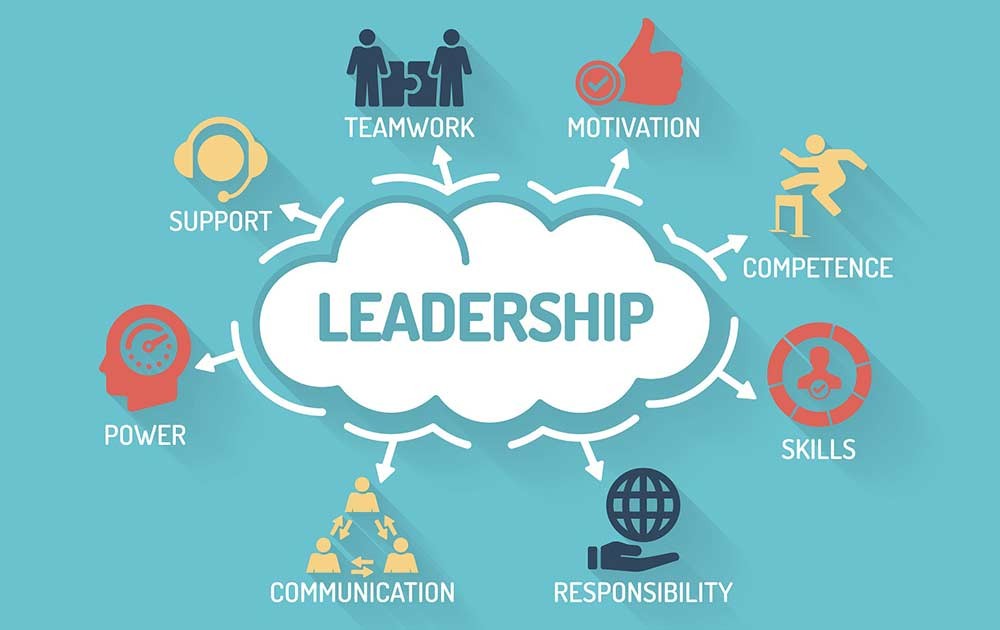

Hospitals are operating in an increasingly demanding environment. Rising patient expectations, workforce shortages, financial pressure, rapid technological change and growing clinical complexity are forcing healthcare institutions to reconsider how they operate. The responsibilities of modern hospital leaders now extend far beyond managing departments, approving budgets and maintaining operational efficiency. They must protect patient safety, build resilient teams, make difficult financial decisions, embrace innovation and ensure that healthcare remains accessible, ethical and effective. The pressure is real. A hospital can have advanced medical equipment, experienced specialists and modern infrastructure, yet struggle when leadership cannot connect these resources through a clear strategy. A shortage of nurses can disrupt patient care. Poor communication between departments can delay treatment. Outdated administrative systems can consume valuable clinical time. Financial constraints can prevent hospitals from investing in essential improvements. These challenges reveal an important reality: the future of healthcare will depend not only on medical breakthroughs but also on the quality of leadership behind them. Hospital leadership in 2026 requires a different approach. Healthcare executives must understand clinical priorities, financial sustainability, workforce management, digital transformation, regulatory responsibilities and the changing expectations of patients. They must make decisions that deliver immediate operational results without compromising the long-term stability of their institutions. This article examines the most significant challenges facing modern hospital leaders, why these challenges matter and what healthcare executives can do to address them.
1. Managing Rising Healthcare Costs Without Compromising Patient Care
Financial sustainability remains one of the most difficult responsibilities for hospital leadership. Healthcare costs continue to place pressure on hospitals through workforce expenses, medical supplies, pharmaceutical procurement, equipment maintenance, infrastructure development and technology investments. At the same time, patients expect high-quality services, shorter waiting periods, improved facilities and access to advanced treatments. Hospital leaders must balance these expectations against limited budgets and increasing operational expenses. The challenge becomes particularly difficult when financial decisions directly affect clinical operations. Reducing unnecessary expenditure is important, but aggressive cost-cutting can create problems if it affects staffing levels, equipment availability, maintenance or patient services. Successful hospital leaders must understand the difference between reducing waste and reducing quality. A practical approach involves reviewing procurement practices, improving inventory management, monitoring departmental spending, investing in preventive maintenance and identifying operational inefficiencies. Hospitals should also use financial forecasting to anticipate future costs instead of responding only when financial problems emerge.
2. Addressing Healthcare Workforce Shortages and Employee Burnout
Healthcare professionals are the foundation of every hospital. Doctors, nurses, technicians, pharmacists, administrators and support staff collectively determine how effectively an institution serves its patients. However, workforce shortages and employee burnout remain major challenges across healthcare systems. Long working hours, emotional pressure, demanding patient loads, administrative responsibilities and insufficient recovery time can affect employee wellbeing. When experienced professionals leave, hospitals lose valuable clinical knowledge, institutional experience and team stability. Replacing healthcare professionals is not simply a recruitment exercise. New employees require orientation, training, supervision and time to become fully integrated into hospital operations. Modern hospital leaders must therefore move beyond traditional recruitment strategies. Retaining skilled professionals should receive the same attention as attracting new talent. This requires realistic workforce planning, supportive management, fair scheduling, professional development opportunities and access to appropriate mental health and wellbeing support. Leadership teams should also create environments where employees can raise concerns without fear of punishment.
3. Accelerating Digital Transformation Without Losing Human Connection
Digital transformation is changing how hospitals manage information, coordinate treatment and deliver services. Electronic health records, telemedicine, artificial intelligence, automated administrative systems, remote patient monitoring and advanced diagnostic technologies are creating new opportunities for healthcare institutions. However, adopting technology does not automatically improve hospital performance. Many healthcare organisations face difficulties integrating new systems with existing infrastructure. Some struggle with staff training, data migration, interoperability, implementation costs and resistance to organisational change. A hospital may purchase sophisticated software but fail to achieve meaningful improvements if its employees do not understand how to use it effectively. Hospital leaders must approach digital transformation as an organisational strategy rather than a technology purchasing decision. Before introducing new systems, leadership should identify the operational problem, establish measurable objectives, evaluate patient and employee needs, assess cybersecurity risks and provide appropriate training. Technology must also preserve the human side of healthcare. Patients need professionals who listen, explain treatment options and understand their concerns. Digital systems should give healthcare workers more time and better information to support these interactions, not create additional barriers between patients and providers.
4. Protecting Patient Safety and Improving Quality of Care
Patient safety is among the most important responsibilities of hospital leadership. Every operational decision, clinical policy and management strategy can influence patient outcomes. Hospitals must continuously manage risks associated with medication errors, hospital-acquired infections, delayed diagnoses, surgical complications, equipment failures and communication breakdowns. These risks cannot be addressed through written policies alone. Patient safety requires a culture in which employees understand their responsibilities, report concerns and participate in continuous improvement. One major leadership challenge is creating accountability without encouraging a culture of blame. When staff members fear punishment for reporting mistakes, important information may remain hidden. This prevents hospitals from identifying weaknesses and learning from incidents. Effective hospital leaders establish transparent reporting procedures, encourage multidisciplinary reviews and use reliable quality indicators to monitor performance. They should also ensure that safety improvements are supported by adequate staffing, proper equipment, clinical training and consistent communication.
5. Meeting Changing Patient Expectations
Patients today are increasingly informed and involved in decisions about their healthcare. They compare services, research treatment options, evaluate hospital facilities and expect clearer communication from healthcare providers. Their expectations extend beyond receiving medical treatment. They want convenient appointment systems, transparent information, shorter waiting periods, respectful interactions, coordinated services and appropriate follow-up care. Hospitals that overlook these expectations risk losing patient confidence. For hospital leaders, improving patient experience requires understanding the complete patient journey, from the first appointment to diagnosis, treatment, discharge and follow-up. A patient may receive excellent clinical treatment but still have a poor experience because of unclear instructions, long administrative delays or inadequate communication. Leadership teams should regularly examine patient feedback, analyse complaints, improve appointment coordination and simplify administrative procedures. Importantly, patient satisfaction should not replace clinical judgement. The goal is to provide respectful, accessible and clinically appropriate care while ensuring patients understand their options.
6. Strengthening Cybersecurity and Protecting Patient Information
As hospitals become more dependent on digital systems, cybersecurity has become a critical leadership responsibility. Healthcare institutions manage highly sensitive information, including patient identities, medical histories, diagnostic reports, prescriptions, billing details and insurance records. A cyberattack can interrupt hospital operations, compromise confidential information and potentially affect patient safety. Ransomware, phishing, unauthorised access, weak passwords, insecure devices and vulnerable third-party systems create significant risks. Hospital leaders cannot treat cybersecurity as an issue that belongs exclusively to the IT department. It requires organisational commitment, clear governance and continuous risk management. Healthcare executives should ensure that hospitals maintain appropriate access controls, data encryption, regular security assessments, secure backups, incident response procedures and employee cybersecurity training. Third-party vendors must also be evaluated because hospital information systems often depend on external technology providers.
7. Navigating Complex Regulations and Healthcare Compliance
Hospitals operate within extensive regulatory environments. Their responsibilities may include licensing, clinical standards, patient confidentiality, medical documentation, employment requirements, infection control, procurement regulations and financial reporting. Regulatory expectations can change, and hospital leaders must ensure that institutional practices remain aligned with applicable laws and professional standards. The difficulty increases when hospitals operate across different regions or manage multiple facilities with varying regulatory requirements. Compliance failures can result in financial penalties, legal exposure, operational disruption and reputational damage. However, effective compliance should not be approached as a last-minute exercise before an inspection. Hospital leaders should establish clear governance structures, conduct internal audits, maintain accurate documentation and ensure that employees understand the standards relevant to their responsibilities. Training should be continuous, particularly in departments handling patient information, clinical procedures, procurement and financial administration.
8. Managing Artificial Intelligence and Responsible Healthcare Innovation
Artificial intelligence is creating new possibilities in healthcare, including medical imaging analysis, clinical decision support, predictive analytics, administrative automation and patient monitoring. These developments offer hospitals opportunities to improve efficiency and support clinical decision-making. However, AI adoption introduces important questions about reliability, accountability, privacy, bias and professional responsibility. An AI system may produce inaccurate recommendations or perform differently across patient populations. If hospital leaders introduce such systems without proper evaluation, they may create new risks rather than solve existing problems. Healthcare executives must ensure that AI tools are assessed for clinical suitability, validated appropriately and monitored after implementation. Medical professionals should understand the limitations of the systems they use. Patients should also receive appropriate transparency when AI meaningfully influences aspects of their care. Most importantly, clinical responsibility cannot simply be transferred to an algorithm.
9. Improving Communication and Collaboration Across Departments
A hospital is a complex organisation where multiple departments must work together continuously. Doctors, nurses, laboratory teams, radiology departments, pharmacists, administrators, finance officers and support services all contribute to patient care. However, departmental separation can create communication problems. Information may not reach the right person at the right time. Discharge procedures may be delayed because departments are not aligned. Treatment plans may become inconsistent when communication between clinical teams is inadequate. These problems affect efficiency and can introduce avoidable risks. Hospital leaders must build a culture of collaboration across departmental boundaries. Regular multidisciplinary meetings, standardised handover procedures, clear escalation channels and integrated information systems can improve coordination. Leadership should also encourage employees to understand how their responsibilities connect with the wider patient journey.
10. Building Resilience Against Public Health Emergencies
The COVID-19 pandemic demonstrated how quickly healthcare systems can face extraordinary pressure. Hospitals may encounter infectious disease outbreaks, natural disasters, supply chain disruptions, mass casualty incidents and other emergencies that demand immediate coordination. These situations test leadership capabilities beyond normal operational management. Hospital executives must make decisions with incomplete information, allocate limited resources, protect healthcare workers and maintain essential services. Emergency preparedness cannot begin when a crisis has already arrived. Hospitals need regularly reviewed emergency response plans, clear leadership responsibilities, reliable communication systems, sufficient essential supplies and practical staff training. Scenario-based exercises can help identify weaknesses before an actual emergency occurs. Leadership teams should also establish relationships with public health authorities, emergency services, suppliers and other healthcare institutions.
11. Addressing Health Inequality and Expanding Healthcare Accessibility
Access to healthcare remains uneven across communities. Geographical distance, financial limitations, infrastructure gaps, language barriers, disability-related challenges and shortages of healthcare professionals can prevent people from receiving timely treatment. Hospital leaders must understand that healthcare performance cannot be evaluated only through the services available inside hospital buildings. The broader question is whether patients can actually access those services. This requires collaboration with community healthcare providers, public health organisations, policymakers and local institutions. Telemedicine may help patients in remote areas, while mobile health initiatives, preventive screening programmes and improved referral systems can strengthen access. Hospitals should also evaluate whether their facilities, communication systems and administrative procedures are accessible to people with different needs. Equity does not mean delivering identical services to everyone regardless of circumstances. It means identifying barriers and developing appropriate ways to ensure people receive necessary care.
12. Developing the Next Generation of Hospital Leaders
One of the most overlooked challenges facing healthcare institutions is leadership succession. Hospitals require leaders who understand clinical realities, financial management, organisational behaviour, technology, governance and patient experience. However, technical expertise alone does not automatically prepare someone to lead a complex healthcare institution. Future hospital executives must develop decision-making skills, emotional intelligence, communication capabilities and the ability to manage competing priorities. Leadership development should not begin only when a senior executive announces retirement or leaves an organisation. Hospitals need structured programmes that identify potential leaders, provide mentoring opportunities, encourage cross-departmental experience and develop practical management capabilities.
The Future of Hospital Leadership: From Administration to Strategic Transformation
The responsibilities of hospital leaders will continue to expand as healthcare becomes more technologically advanced, financially demanding and interconnected. Future hospital executives will need to understand how artificial intelligence influences clinical workflows, how demographic changes affect healthcare demand, how digital systems reshape patient expectations and how workforce development influences institutional resilience. However, technological advancement alone will not determine which hospitals succeed. Institutions that build strong organisational cultures, support healthcare professionals, protect patient information and maintain financial discipline will be better prepared to respond to future challenges. Leadership must also become more collaborative. Hospitals cannot solve every major problem independently. Partnerships with universities, research institutions, technology providers, public health organisations and other healthcare institutions can create opportunities for knowledge-sharing and innovation. For hospital boards and executive teams, the priority should be to move beyond short-term operational firefighting. A hospital should not wait for a staffing crisis to rethink workforce planning, a cybersecurity incident to improve data protection or a financial emergency to examine operational efficiency.