
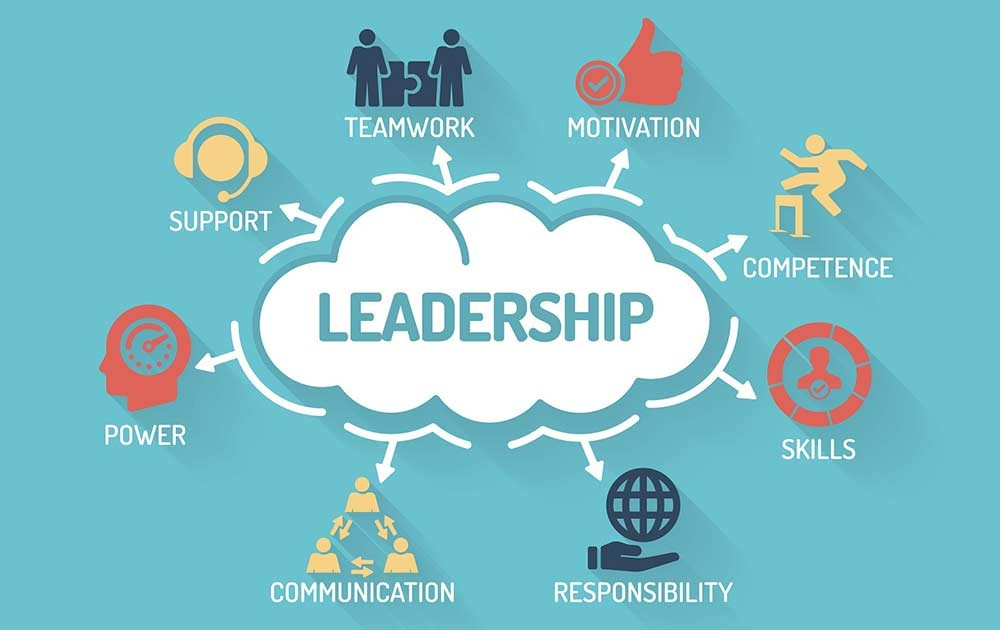
Healthcare leadership in Asia is entering a defining period. Across hospitals, clinics, health systems, universities, technology companies, and public institutions, leaders are facing challenges that cannot be solved through traditional management alone. Growing healthcare demands, changing patient expectations, digital transformation, workforce pressures, rising costs, and rapid medical innovation are forcing leaders to rethink how healthcare should be delivered. The question is no longer whether healthcare will change. It already is. The real question is whether today’s leaders are prepared to guide that change responsibly, strategically, and humanely.
The Future of Asian Healthcare Will Be Shaped by Leadership
Asia is incredibly diverse, and healthcare systems differ significantly from one country to another. Yet many healthcare leaders across the region face common pressures: improving access, maintaining quality, managing resources, attracting skilled professionals, adopting technology, and keeping patients at the center of decision-making. Strong healthcare leadership can turn these pressures into opportunities for meaningful reform. Leadership today is not simply about running an institution efficiently. It is about creating a culture capable of adapting to uncertainty while protecting the trust that patients place in healthcare professionals and organizations.
Technology Is Changing What Healthcare Leaders Must Understand
Artificial intelligence, telemedicine, electronic health records, remote monitoring, digital health platforms, robotics, and data-driven decision-making are transforming healthcare. But technology alone does not create better healthcare. Leaders must understand where technology genuinely improves patient outcomes, where it creates new risks, and how it should be implemented responsibly. A healthcare executive who ignores digital transformation risks falling behind, while a leader who adopts every new technology without evaluating its value can create unnecessary costs and complexity. The strongest approach is thoughtful innovation: use technology where it solves real problems and improves the experience of patients and healthcare professionals.
Patients Are Becoming More Informed and More Demanding
The modern patient is not simply waiting for instructions from a healthcare institution. People increasingly research symptoms, compare providers, seek second opinions, use health applications, read reviews, and expect convenient communication. This shift is changing the relationship between healthcare organizations and the communities they serve. Healthcare leadership must therefore move beyond the traditional concept of patient care and consider the complete patient experience. Accessibility, communication, transparency, dignity, convenience, responsiveness, and trust increasingly influence how people perceive healthcare organizations. Leaders who understand this transformation can build institutions around people rather than processes.
Healthcare Leadership Must Put People Before Systems
Behind every healthcare statistic is a human being. Behind every hospital department is a team of people working under pressure. Healthcare leaders therefore have a responsibility to create environments where doctors, nurses, technicians, administrators, caregivers, and support staff can perform at their best. Workforce challenges cannot be addressed only through recruitment. Leaders must think about professional development, communication, recognition, collaboration, workplace culture, and opportunities for growth. When healthcare professionals feel valued and supported, the organization is better positioned to provide compassionate and consistent care.
Asia Needs Leaders Who Can Connect Innovation With Accessibility
One of the biggest leadership challenges in Asian healthcare is ensuring that innovation does not benefit only those who can afford it. Advanced medical technologies, private healthcare services, digital platforms, and specialized treatments can create enormous opportunities, but access remains a critical consideration. Effective leadership requires asking difficult questions: Who benefits from this innovation? Who is being left behind? Can the solution work beyond major cities? Can it reach underserved communities? Can it remain financially sustainable? The future of healthcare leadership must connect innovation with inclusion, ensuring that progress has meaningful value for wider populations.
Collaboration Will Become One of the Most Important Leadership Skills
Healthcare problems rarely belong to one organization or profession. A hospital may need to work with universities, technology companies, pharmaceutical organizations, government agencies, researchers, community groups, and other healthcare providers. This makes collaboration an essential leadership capability. The strongest healthcare leaders understand that they do not need to have every answer themselves. They need to bring the right people together, establish shared objectives, encourage responsible experimentation, and create partnerships that produce measurable value. In an increasingly interconnected healthcare environment, leadership will depend as much on the ability to build bridges as the ability to make decisions.
Data Can Transform Healthcare, but Trust Cannot Be Compromised
Healthcare organizations are generating enormous amounts of information, creating opportunities for better planning, research, diagnosis, prevention, and resource allocation. However, healthcare data involves deeply personal information, making privacy, security, transparency, and responsible governance essential. Leaders must ensure that innovation does not move faster than accountability. Patients need to understand how their information is being used, while healthcare professionals need reliable systems that support rather than complicate their work. The future belongs to organizations that can use data intelligently while maintaining the trust of the people whose information makes that innovation possible.
The Next Generation of Healthcare Leaders Must Think Beyond Titles
Leadership is not limited to CEOs, hospital directors, ministers, or senior executives. A nurse who improves a department, a physician who introduces a better patient process, a researcher who develops a valuable discovery, or a young entrepreneur solving an overlooked healthcare problem can demonstrate leadership. Asia needs to develop this broader culture of leadership by giving emerging professionals opportunities to learn, experiment, collaborate, and take responsibility. Organizations that invest in leadership development today are building the healthcare capabilities they will need tomorrow. Waiting until a leadership position becomes vacant is too late to start developing leaders.
Healthcare Leaders Must Prepare for Problems That Have Not Arrived Yet
The most important leadership question may not be how healthcare organizations respond to today’s challenges, but how they prepare for tomorrow’s unknowns. Future healthcare systems may face new diseases, demographic changes, climate-related pressures, technological disruption, economic uncertainty, workforce shortages, and rapidly evolving patient expectations. Leaders cannot predict every challenge, but they can build organizations that are adaptable. Scenario planning, continuous learning, cross-sector partnerships, innovation programs, professional development, and strong communication can help healthcare institutions become more resilient. The organizations that prepare before disruption arrives will have more room to respond when it does.
The Future of Healthcare Leadership in Asia Starts With Action Today
Healthcare leadership in Asia is standing at an important crossroads. The region has extraordinary medical talent, entrepreneurial energy, technological potential, and diverse healthcare expertise. But potential becomes progress only when leaders are willing to act. The future will not be shaped simply by the newest technology, the largest hospital, or the most impressive healthcare strategy. It will be shaped by leaders who understand that healthcare is ultimately about people. Leaders who embrace innovation without abandoning humanity, pursue efficiency without sacrificing compassion, and build growth without forgetting accessibility can help create healthcare systems that are stronger, more trusted, and more prepared for the future. The time to rethink healthcare leadership is not someday. It is now.