
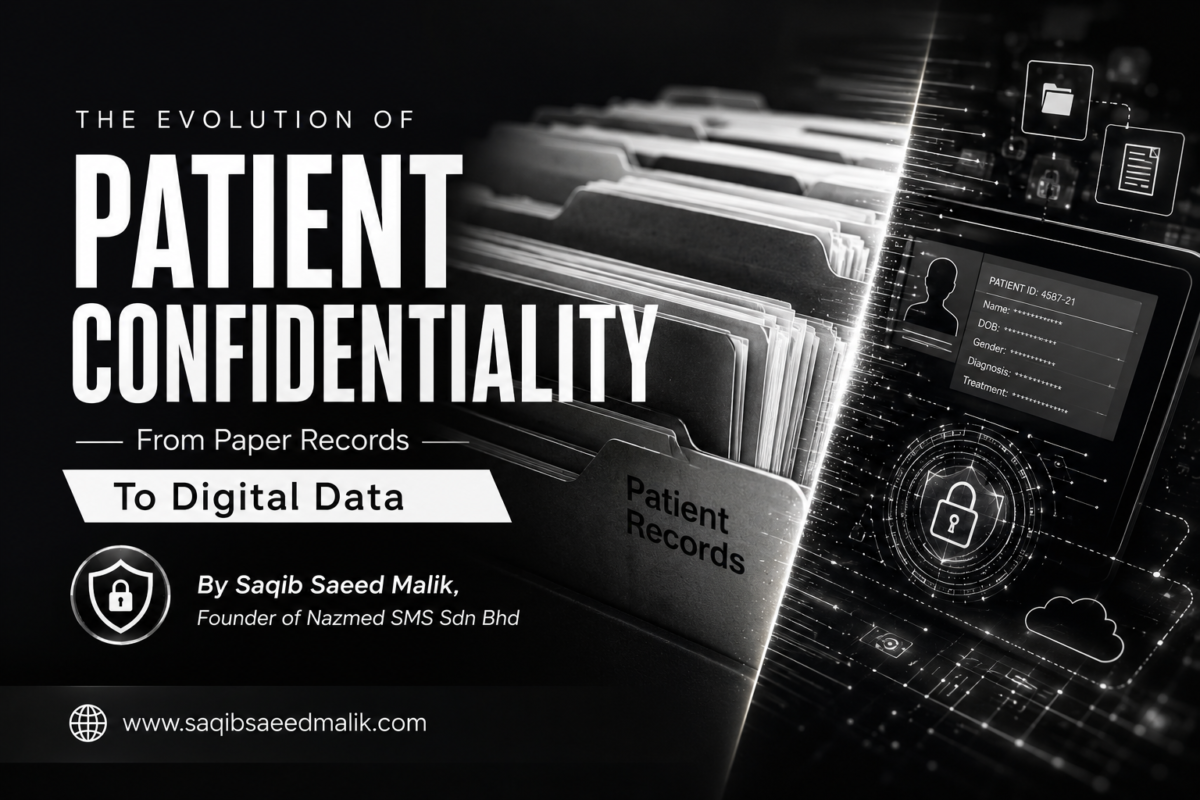
The journey from paper-based patient records to digital data has transformed the landscape of healthcare, enhancing accessibility and efficiency but also raising complex issues about patient confidentiality. Historically, patient records were safeguarded through physical security measures—locked cabinets and restricted access. However, the digital age has introduced new challenges and opportunities.
Historical Context of Patient Confidentiality
In the past, patient confidentiality was maintained through manual processes. Paper records were kept in secure locations, and access was tightly controlled. However, the advent of digital technology brought about a seismic shift. Electronic Health Records (EHRs) and Health Information Systems (HIS) have revolutionized the way patient data is stored, accessed, and shared.
Digital Transformation and Its Implications
The digital transformation has made patient information more accessible and easier to share among healthcare providers. While this has improved coordination and efficiency in patient care, it has also introduced new risks. Cybersecurity threats, data breaches, and unauthorized access are pressing concerns in the digital age. The challenge lies in balancing the benefits of digital health records with the need for robust security measures to protect patient confidentiality.
Regulatory and Technological Advances
Regulatory frameworks, such as the Health Insurance Portability and Accountability Act (HIPAA) in the United States and the General Data Protection Regulation (GDPR) in Europe, have been established to address these concerns. These regulations mandate stringent controls over patient data and impose penalties for breaches. Additionally, technological advancements in encryption, access control, and audit trails have bolstered efforts to protect digital patient information.
Future Outlook
As we look to the future, the focus will be on integrating advanced technologies such as blockchain and artificial intelligence (AI) to enhance data security and privacy. Blockchain offers a decentralized and immutable ledger for patient records, while AI can identify and mitigate potential security threats in real-time. The evolution of patient confidentiality in the digital age will depend on continuous innovation and adherence to stringent regulatory standards.