
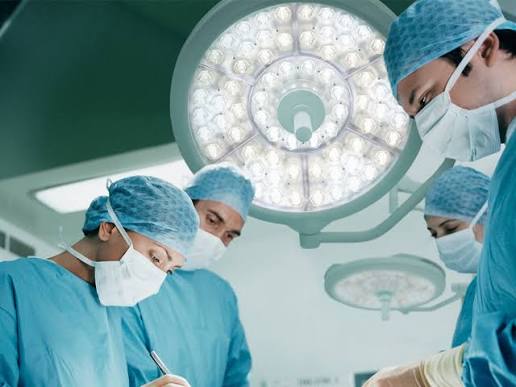
In the modern operating theatre, success is no longer defined only by surgical skill. It is also defined by what the surgeon can see, how clearly they can see it, and how consistently that visibility is maintained throughout the procedure. This is where LED light source technology has quietly but powerfully changed the foundation of surgical practice. We are standing at a turning point where traditional illumination methods are no longer enough. Halogen and older xenon systems once served their purpose, but medicine has evolved. Surgery now demands precision at a microscopic level, longer procedures, and safer environments for both patients and surgical teams. LED light sources are not just an upgrade; they represent a complete transformation in surgical visibility and efficiency.
Why Lighting in Surgery Is No Longer a Secondary Concern
For decades, surgical lighting was treated as supportive infrastructure. Today, it is central to clinical performance. Poor illumination can lead to fatigue, reduced depth perception, and even avoidable errors during complex procedures. Modern surgery requires: Clear tissue differentiation
Stable color accuracy, Low heat emission in long procedures, Shadow-free illumination in deep cavities, Energy-efficient and reliable systems. LED technology directly addresses each of these requirements with measurable improvements.
The Core Features of LED Light Sources in Surgery
1. Superior Color Rendering and Tissue Differentiation
LED surgical lighting provides a high color rendering index, allowing surgeons to distinguish subtle variations in tissue, blood vessels, and anatomical structures. This level of clarity significantly improves decision-making during critical procedures.
2. Cold Light with Minimal Heat Emission
Unlike traditional halogen systems, LED light sources generate minimal heat. This reduces the risk of tissue drying and thermal damage while improving patient safety during prolonged surgeries.
3. Long Operational Lifespan and Reliability
LED systems are built for endurance. With significantly longer lifespans compared to conventional bulbs, hospitals reduce maintenance frequency, replacement costs, and unexpected downtime in surgical schedules.
4. Consistent Brightness Without Degradation
One of the most critical advantages is stability. LED systems maintain consistent brightness throughout their lifespan, ensuring uniform visibility across every stage of surgery.
5. Energy Efficiency and Operational Cost Reduction
LED technology consumes significantly less power, which translates into reduced operational costs for hospitals and medical facilities without compromising performance.
6. Shadow-Free and Focused Illumination
Advanced LED surgical systems are engineered to minimize shadow interference, even when multiple surgical staff are positioned around the operating table. This ensures uninterrupted visibility in high-precision environments.
Benefits That Directly Impact Surgical Outcomes
The real value of LED surgical lighting is not only technical—it is clinical. Improved precision reduces surgical errors
Better visibility enhances speed and confidence
Reduced heat improves tissue safety
Stable lighting decreases surgeon fatigue
Energy efficiency supports long-term hospital sustainability Each of these factors contributes to better patient outcomes, reduced complication rates, and more efficient operating room workflows.
The Strategic Shift in Modern Healthcare Infrastructure
Hospitals and medical institutions are now recognizing that investing in advanced lighting systems is not optional—it is strategic. Facilities that adopt LED surgical lighting gain a competitive advantage in surgical efficiency, patient safety, and operational cost control. At organizations like NAZMED SMS SDN BHD, we have observed a consistent shift in demand toward integrated LED surgical systems that support minimally invasive procedures, endoscopic surgeries, and high-precision medical interventions. This shift is not driven by trends alone, but by measurable clinical necessity.
The Future of Surgical Lighting Is Intelligent and Integrated
The next phase of LED surgical lighting is not just brighter illumination—it is smarter systems. We are moving toward adaptive lighting that responds to tissue type, surgical depth, and procedural requirements in real time. Future-ready operating rooms will rely on: Adaptive brightness control
AI-assisted illumination adjustment
Integration with imaging systems
Ergonomic and surgeon-centric design The operating room of the future will not just be illuminated. It will be intelligently optimized.
A Final Perspective from the Field
As someone deeply involved in surgical equipment development and distribution, I have seen firsthand how lighting influences surgical confidence and outcomes. The transition to LED is not a luxury decision—it is a responsibility toward patient safety and surgical excellence. The question is no longer whether hospitals should adopt LED light sources. The real question is how quickly they can make the transition before falling behind in clinical standards.